


Introduction
Business Process Model and Notation (BPMN) has long been the gold standard for visualizing enterprise workflows. However, traditional modeling often creates a siloed experience where diagramming is disconnected from analysis, documentation, and implementation. The emergence of Artificial Intelligence in business analysis has shifted this paradigm. We are no longer looking for simple text-to-diagram generators; we require ecosystems that understand business context.
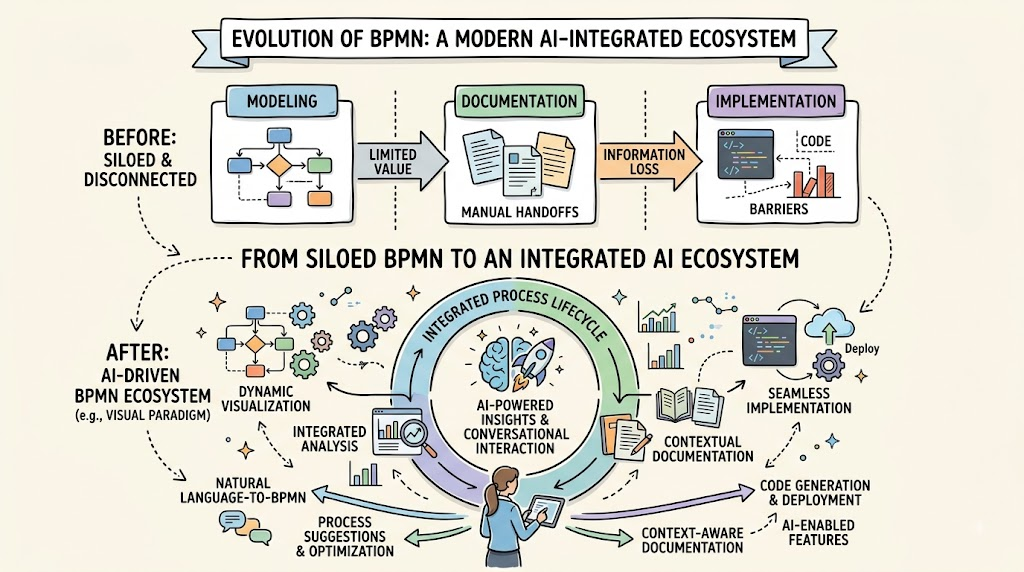
This guide explores the definitive approach to AI BPMN, focusing on how Visual Paradigm transforms process modeling from a static drawing exercise into a dynamic, conversational, and integrated lifecycle management tool. Whether you are a business analyst, process owner, or developer, understanding this ecosystem approach is critical for modern process excellence.
Key Concepts and Examples
1. Ecosystem-Centric AI vs. Isolated Generators
Most AI tools generate a diagram and stop there. A true AI BPMN ecosystem treats the diagram as a living artifact connected to requirements, code, and documentation. Visual Paradigm’s AI is designed to enhance productivity across the entire lifecycle, not just the initial visualization phase.
2. Conversational Ideation and Problem-to-Process Generation
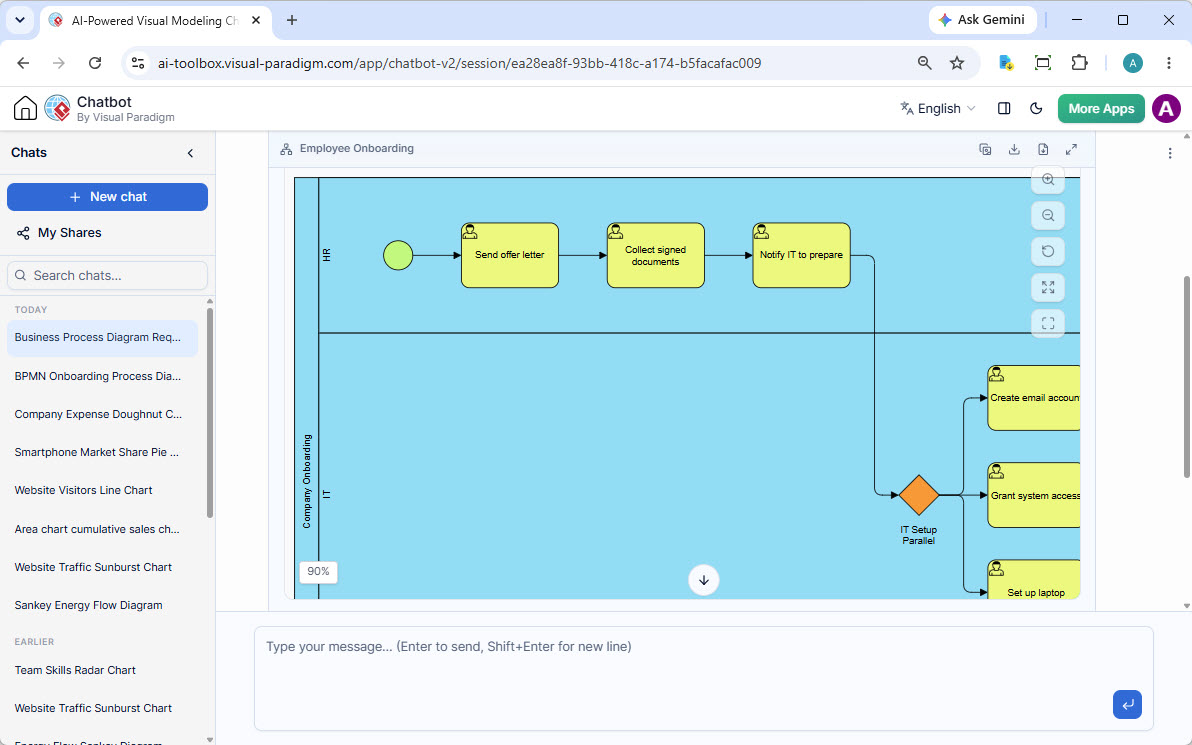
Instead of dictating specific shapes and connectors, users describe business challenges in natural language. The AI acts as an analyst, interpreting the intent and generating a coherent BPMN structure.
-
Example: Describing “Employee Onboarding” results in a complete workflow including HR verification, IT setup, and manager orientation, rather than just a generic linear flow.
3. Iterative Refinement and Contextual Expansion
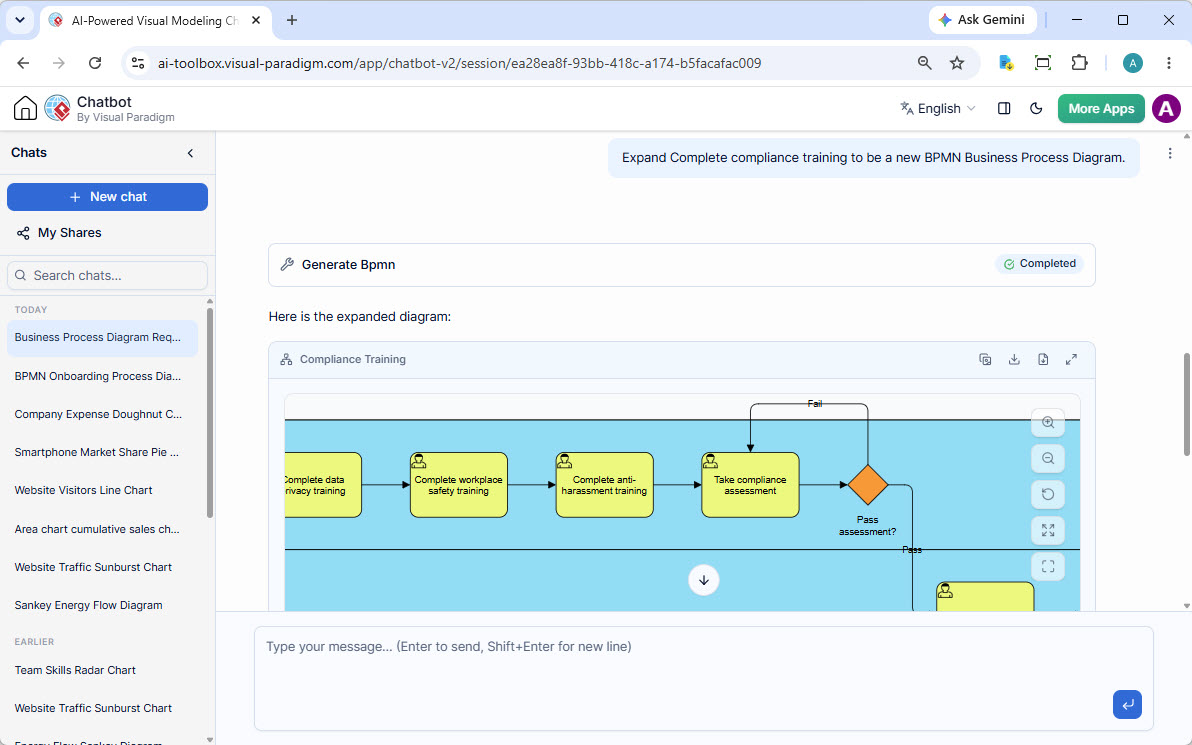
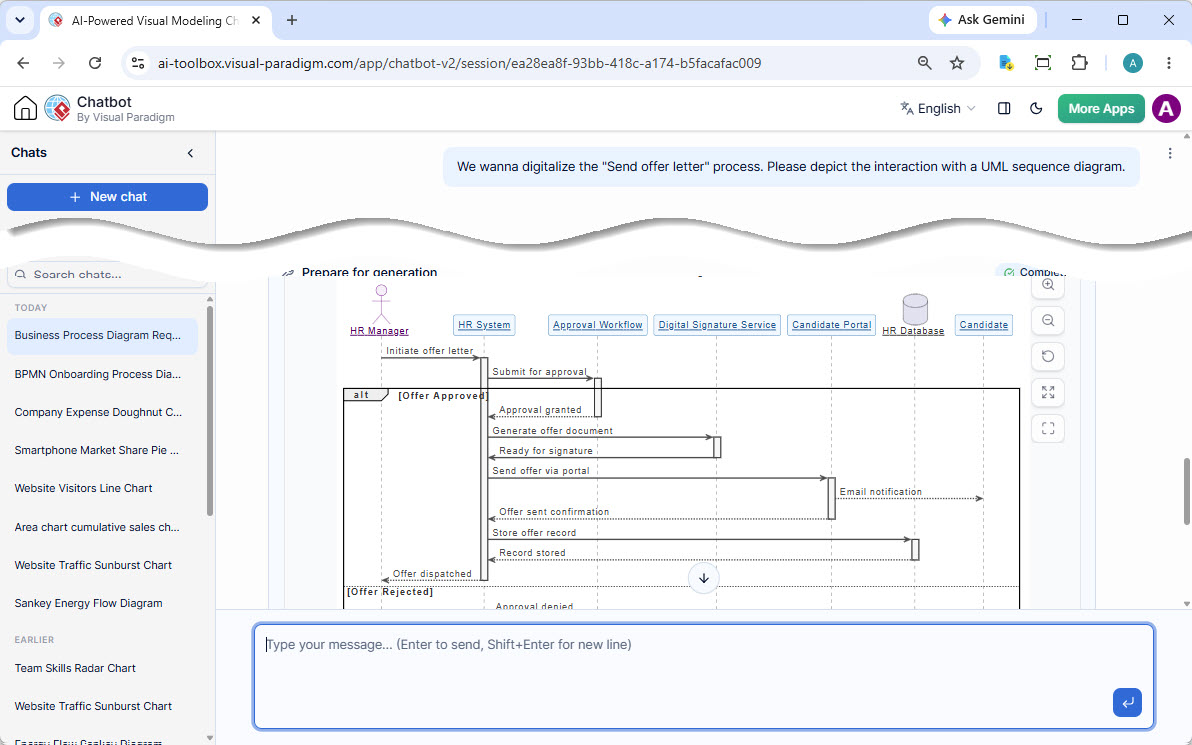
AI maintains session context, allowing for deepening detail without losing the original architecture. Users can ask the AI to expand a high-level task into a sub-process or derive technical artifacts like Sequence Diagrams directly from BPMN tasks.
4. Seamless Transition to Manual Editing
AI provides the foundation, but human expertise provides the precision. Generated diagrams open directly in the full-featured Visual Paradigm Online editor, supporting drag-and-drop refinement and instant sharing.
Understanding BPMN: The Foundation of AI Modeling
To leverage AI effectively, one must understand the language it speaks. BPMN is an open standard maintained by the OMG and ISO (ISO/IEC 19510), designed to bridge the gap between business design and technical implementation.
Core Benefits
-
Standardization: An industry-standard notation understandable by all stakeholders.
-
Clarity: Bridges communication gaps between business analysts and developers.
-
Analysis: Enables precise identification of inefficiencies and bottlenecks.
Essential BPMN Constructs
Swimlanes: Pools and Lanes
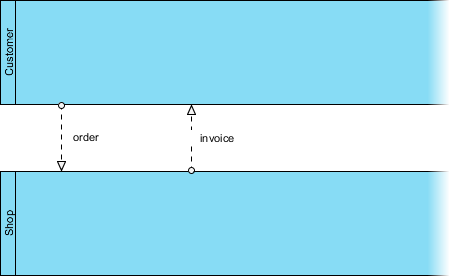
Swimlanes organize activities by participant. Pools represent major entities (e.g., Customer, Logistics Department), while Lanes represent sub-partitions or roles within a pool.

Note on Black Box Pools: When modeling external entities whose internal processes are irrelevant to your scope, use a Black Box Pool. This keeps the diagram focused on your organization’s responsibilities.

Flow Elements: Activities, Events, and Gateways
-
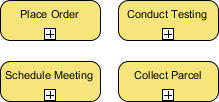
Activities: Rounded rectangles representing work. Use Tasks for atomic units and Sub-Processes for complex work requiring further breakdown.

-
Events: Circles indicating triggers. Includes Start, Intermediate, and End events.

-
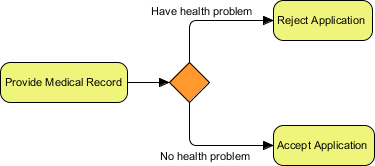
Gateways: Diamonds controlling flow logic. Key types include Exclusive (XOR), Inclusive (OR), Parallel (AND), and Event-Based gateways.


Connecting Objects and Data
-
Sequence Flows: Solid lines showing order within a pool.
-
Message Flows: Dotted lines showing communication between pools.

-
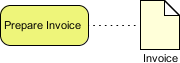
Data Objects: Represent information inputs, outputs, and stores essential for process execution.
Groups and Annotations
Visual organization tools that add context without affecting flow logic.


Real-World Application: True Aqua Distilled Water Company
To see these concepts in action, consider the True Aqua Distilled Water Company. Facing a goal to double market share, they utilized BPMN to optimize their ordering and delivery process. The resulting diagram captures multi-channel ordering (Phone/Email), customer account validation, and weekly logistics scheduling.

This example demonstrates how BPMN translates vague operational goals into structured, analyzable workflows that drive efficiency and customer satisfaction.
Conclusion
The future of business process modeling lies in the integration of AI intelligence with robust, standards-compliant tooling. Visual Paradigm represents this evolution, offering an AI BPMN generator that thinks in ecosystems rather than isolation. By combining conversational ideation, iterative refinement, and deep adherence to BPMN 2.0 standards, organizations can accelerate their process lifecycle from initial concept to final documentation. Don’t just draw diagrams; engineer better business outcomes with an AI-enhanced modeling ecosystem.
Start Your Process Design with AI
Recommended Resources: Visual Paradigm
- Professional BPMN Process Modeling Tool: Comprehensive feature overview of Visual Paradigm’s professional-grade BPMN diagramming and analysis capabilities.
- What is BPMN? Complete Guide: In-depth educational resource covering BPMN history, notation standards, benefits, and practical examples.
- AI BPMN Tool & Chatbot: Direct access to Visual Paradigm’s conversational AI for generating and refining business process diagrams from natural language.
- Try Visual Paradigm FREE: Download page for the free edition of Visual Paradigm to explore BPMN modeling and AI features risk-free.
- BPMN Notation Reference: Detailed reference guide for all BPMN graphic elements including swimlanes, flow objects, and connecting objects.
Related posts:
 TOGAF ADM Tool: A Hands-On Review of Enterprise Architecture Made Simple
 BPMN Tool: A Business Analyst’s Hands-On Review of AI-Powered Process Modeling
 AI-Powered BPMN Modeling: The Complete Guide to Transforming Text into Professional Swimlane Diagrams
Comprehensive Guide to UML Activity Diagrams and Business Process Modeling
AI-Powered BPMN Modeling: The Complete Guide to Transforming Text into Professional Swimlane Diagrams
Comprehensive Guide to UML Activity Diagrams and Business Process Modeling