

1. Introduction Modern gardening and agriculture increasingly rely on automation to optimize resource use, particularly water — a scarce resource in many regions. A smart irrigation controller automates watering based


1. Introduction Modern gardening and agriculture increasingly rely on automation to optimize resource use, particularly water — a scarce resource in many regions. A smart irrigation controller automates watering based

Ideal for strategists, educators, marketers, and designers who want to rapidly generate polished, professional infographics—then evolve them seamlessly as ideas grow. 🔍 Why This Guide Is Different While many tools promise “AI-powered design,” Visual
In software engineering, particularly within the use case-driven development methodology, identifying actors is a foundational and critical step. Actors serve as the bridge between the system under development and the external entities
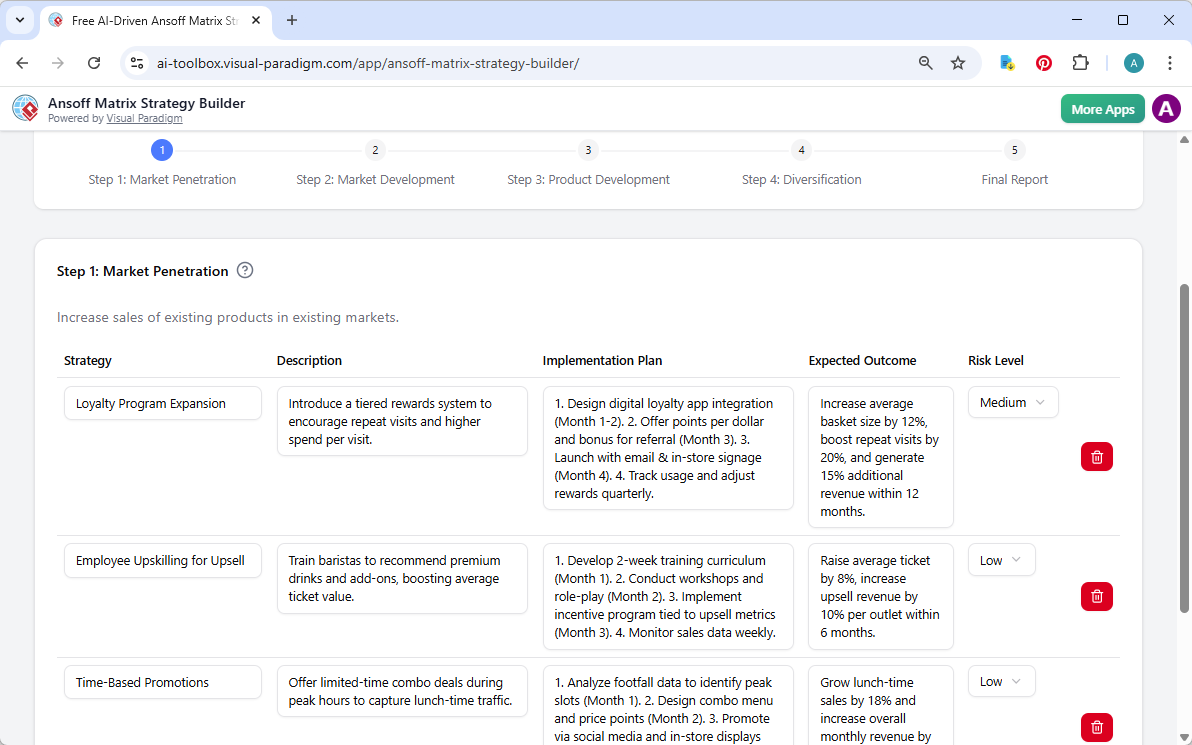
Discover how the AI-Powered Ansoff Matrix Strategy Builder helps businesses create growth plans with ease using a 5-step wizard and AI-driven insights.

Introduction: The Evolution of ArchiMate ArchiMate NEXT (anticipated as ArchiMate 4.0) represents a transformative leap from ArchiMate 3.2, designed to simplify, unify, and modernize the enterprise architecture modeling language. This version responds directly to contemporary
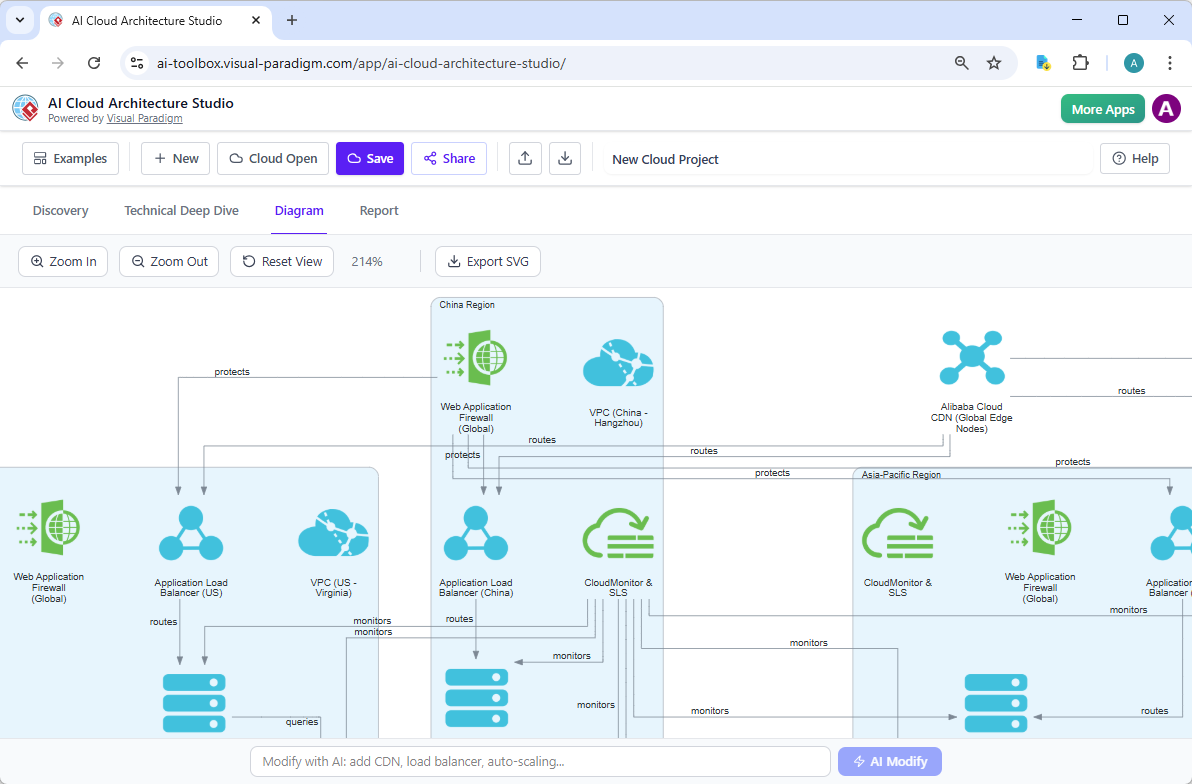
Automate global e-learning infrastructure with Visual Paradigm's AI Cloud Architecture Studio. Generate Alibaba Cloud diagrams from natural language.

UML component diagrams and deployment diagrams are both structural diagrams in the Unified Modeling Language (UML), but they serve distinct purposes in software architecture modeling. Component Diagram — Focuses on the logical/modular structure of the software system.
Introduction ArchiMate NEXT represents a significant evolution of the enterprise architecture modeling language, designed to simplify, standardize, and modernize how organizations model their architecture. At the heart of this evolution
Introduction Use Case Elaboration is a critical phase in the software development lifecycle, particularly within the context of requirements engineering and object-oriented analysis and design. It bridges the gap between
Introduction: Why This Integration Matters Enterprise architecture is no longer just about what systems to build—it’s about why. In today’s fast-moving, complex business environments, organizations need architectures that are strategically aligned, traceable, and motivated by clear